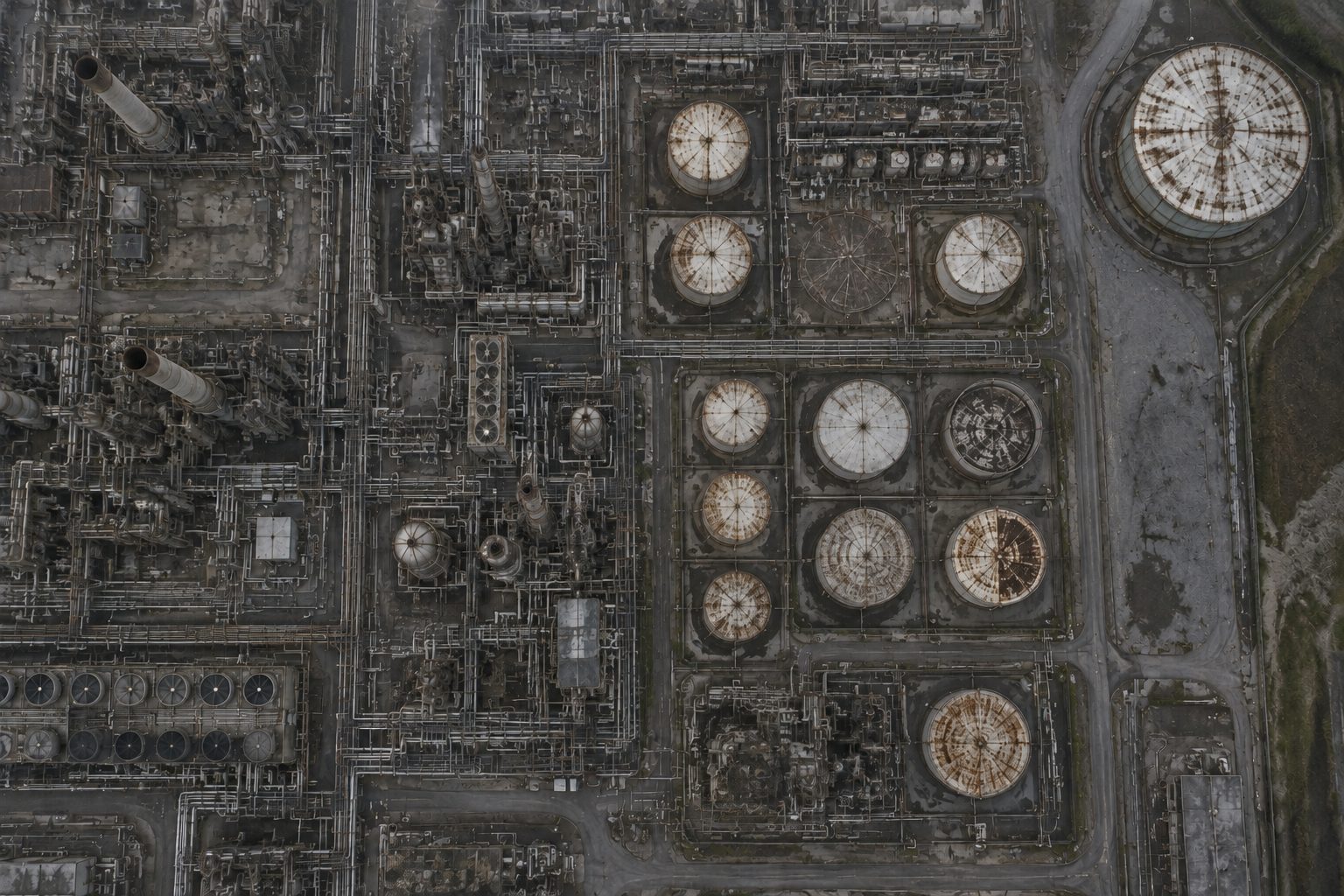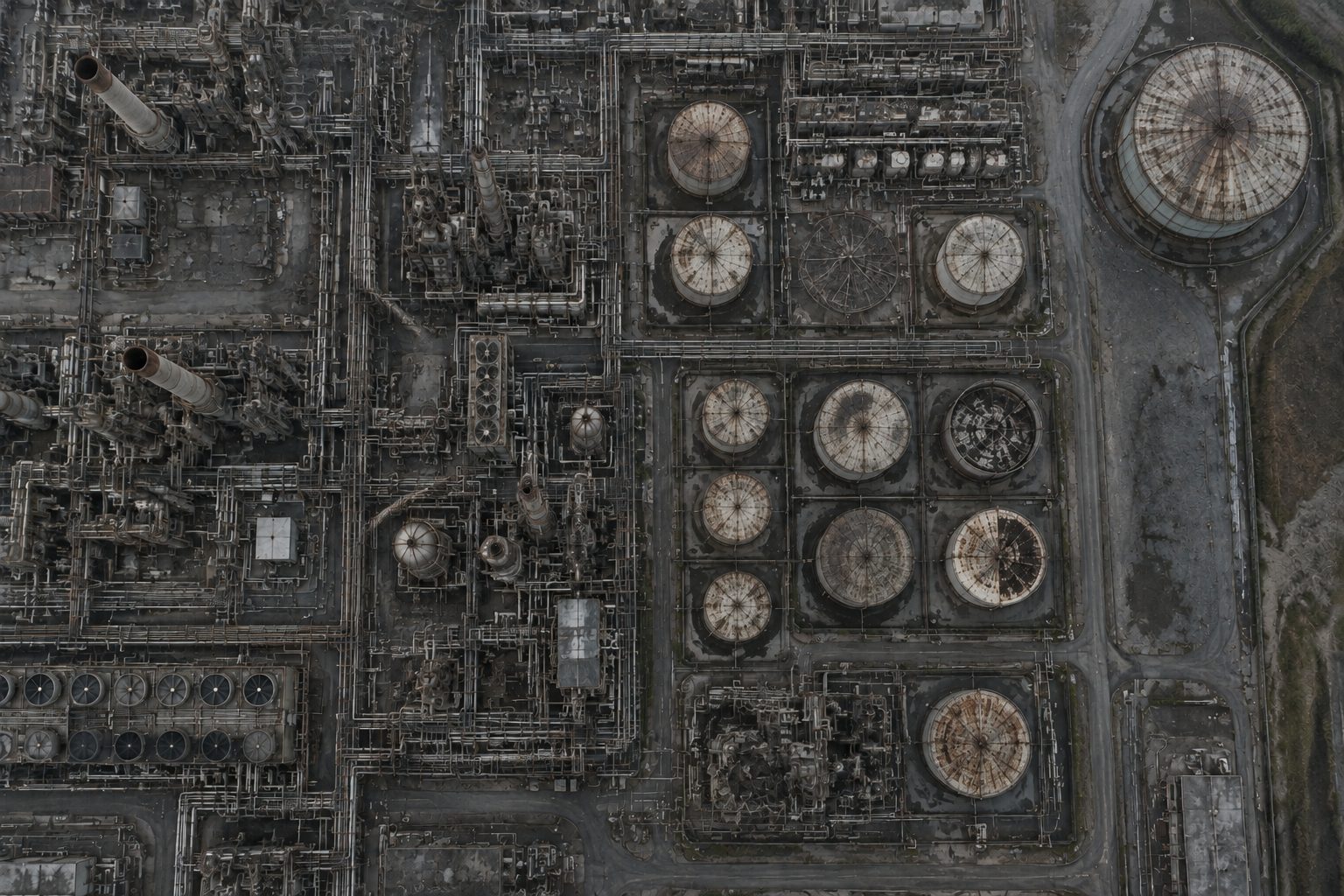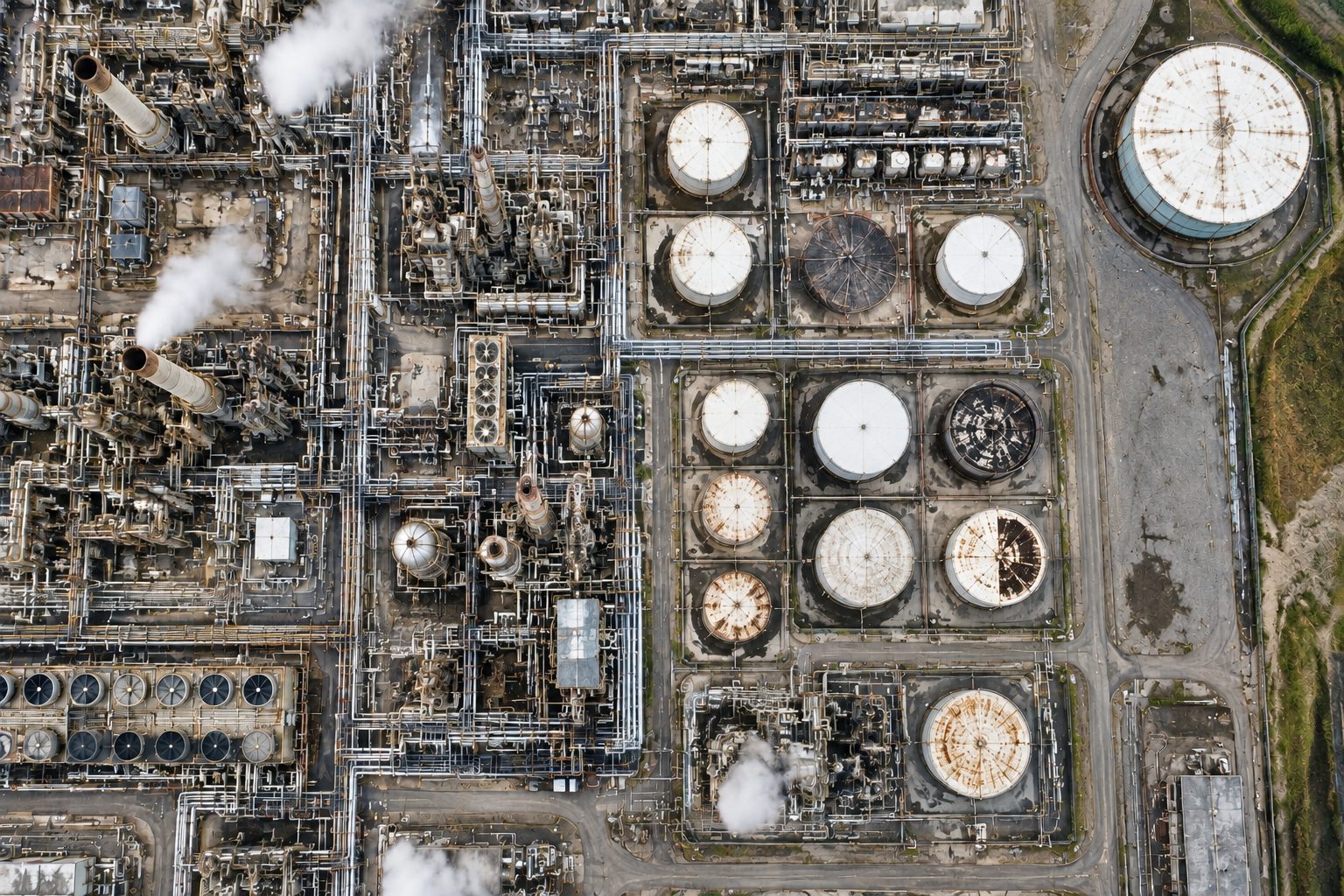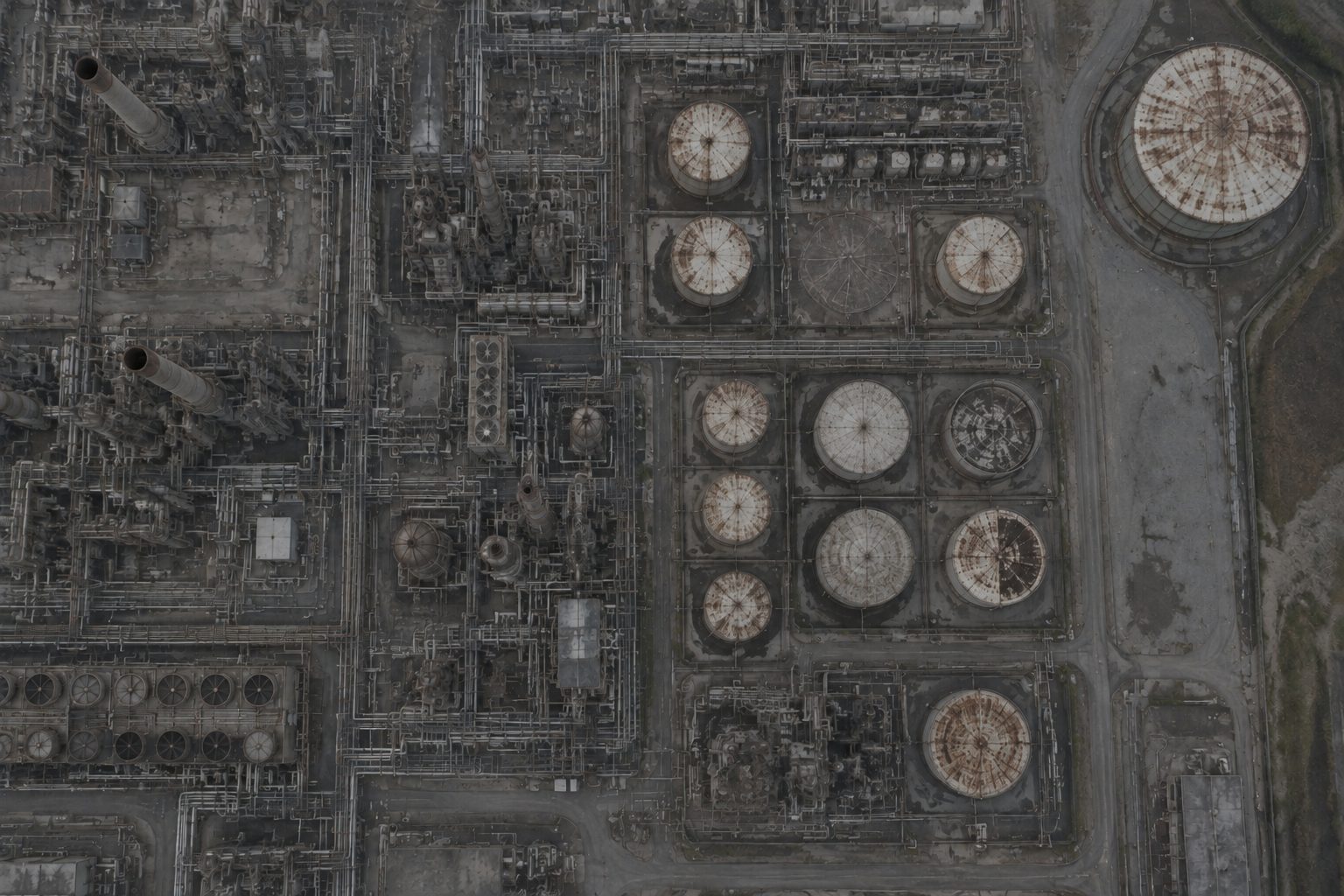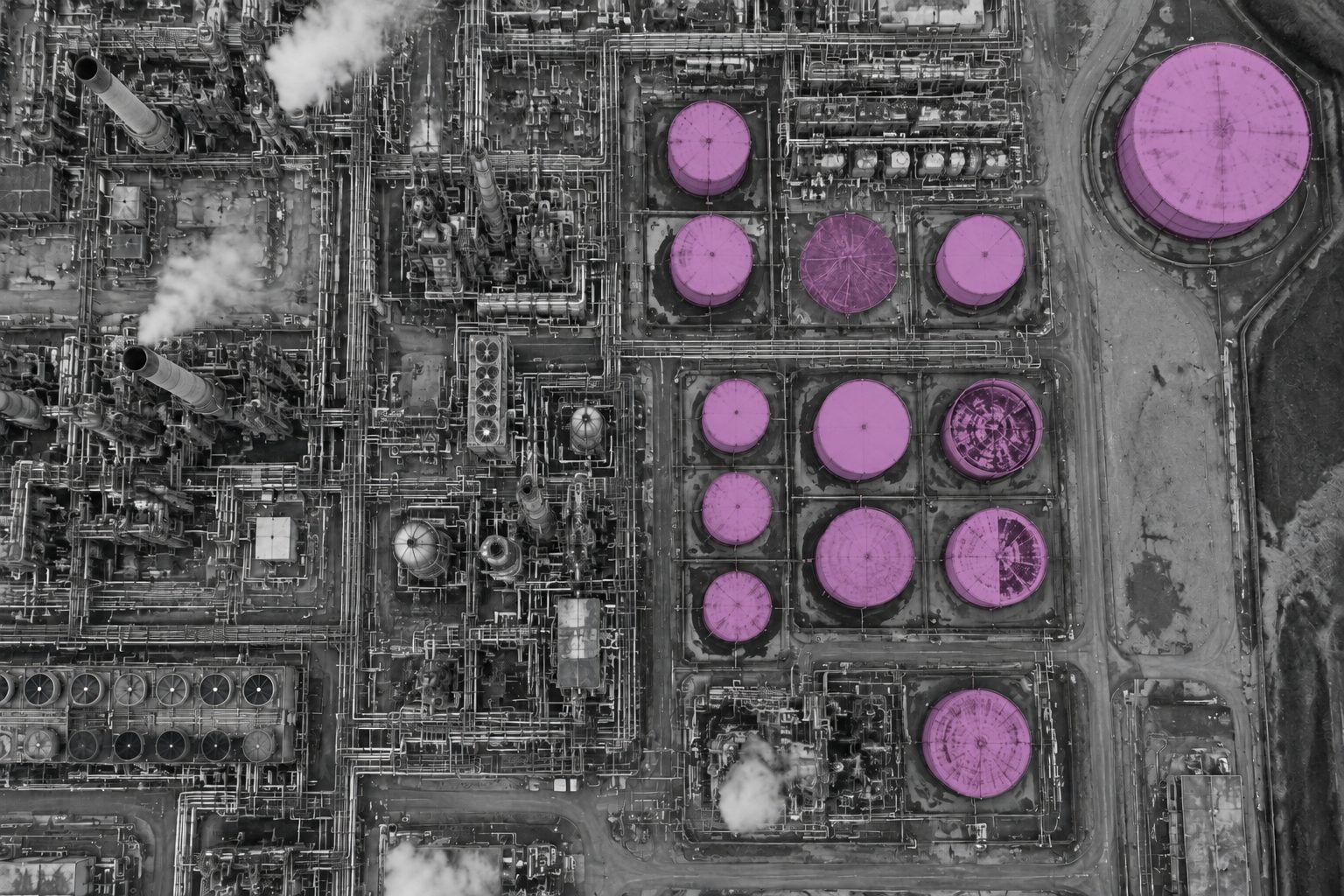
Ukraine’s Special Operations Forces struck Gazprom Neft’s Omsk oil refinery in western Siberia on Nov 11, sparking a large fire at the 440,000 BPD facility during a drone attack that lasted more than eight hours about 2,500 kilometers from the Ukrainian border. The plant, which can process roughly 22 million tons of crude a year, supplies aviation fuel to the Russian military and manufactures catalysts used by other refineries.
Ukraine’s General Staff said forces have struck at least nine Russian oil refineries in two weeks since Oct 30, including five of the country’s largest: Omsk, Kirishi, Ryazan, Nizhny Novgorod and Yaroslavl. The military said the targeted sites account for roughly 36% of Russia’s total refining capacity, while Reuters cited industry sources estimating that the renewed campaign has cut actual crude processing by up to 200,000 tons a day, or about 30% of pre-strike volumes.
The strikes have deepened domestic fuel shortages across several Russian regions, prompting Rosneft to ration retail gasoline sales to 30 liters per car in cities and 50 liters on highways. Ukraine intensified the campaign as US envoys Steve Witkoff and Jared Kushner traveled to Moscow to meet President Vladimir Putin after talks in Abu Dhabi ended with an agreement in principle on a prisoner swap.