Nearly 500,000 Israelis, including soldiers, diplomats, and hospitalized patients, cast votes through a “double-envelope” system that are only counted after regular polling stations close. Avigdor Lieberman, head of the Yisrael Beytenu party, said the record number of these special ballots could represent the equivalent of 14 to 15 seats in the Knesset, potentially rendering initial exit polls inaccurate.
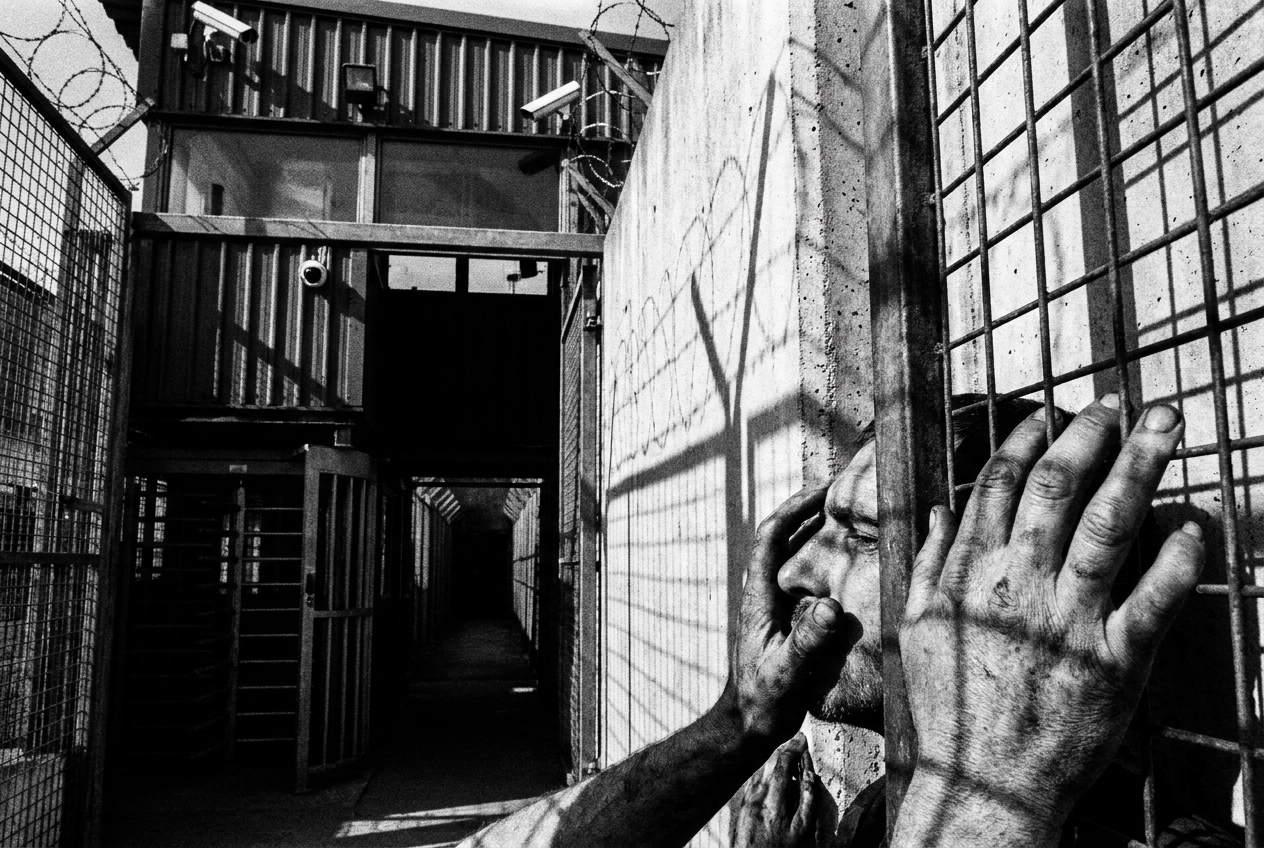
The Israel Prison Service reported that 88.7% of eligible inmates and detainees voted before polling concluded at 18:00 GMT on Oct 27. These special ballots can determine whether parties cross the electoral threshold to enter parliament, with final results due for publication within eight days.